
As Part of Its Ongoing Outreach Series, the Palestinian Maintenance Fund Holds Multi-Stakeholder Workshop in Tubas to Advance Women's Access to Justice and Legal Services

As Part of Its Ongoing Outreach Series, the Palestinian Maintenance Fund Holds Multi-Stakeholder Workshop in Tubas to Advance Women's Access to Justice and Legal Services
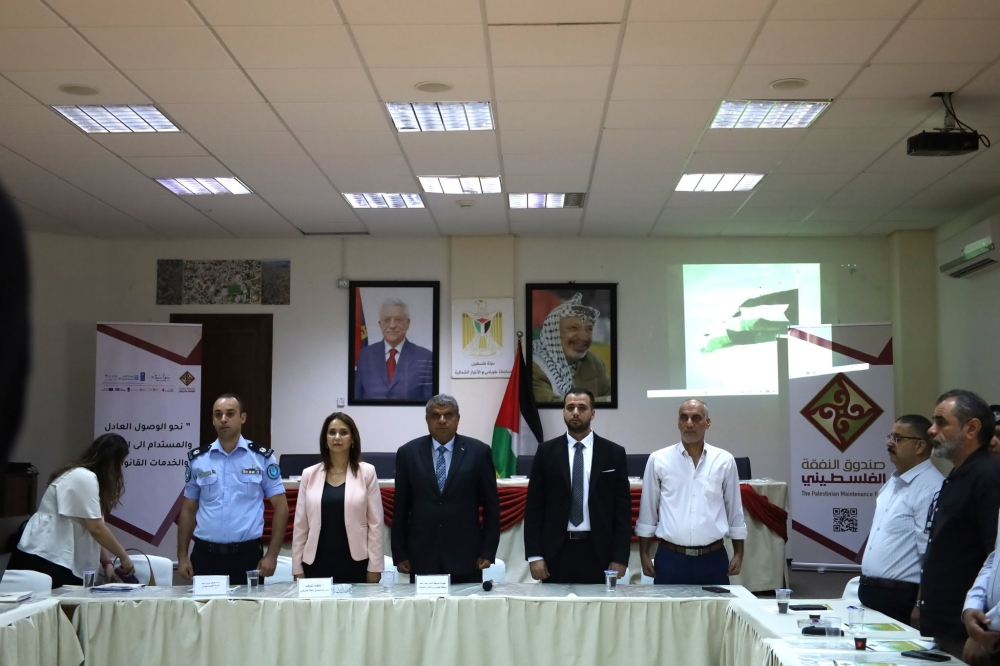
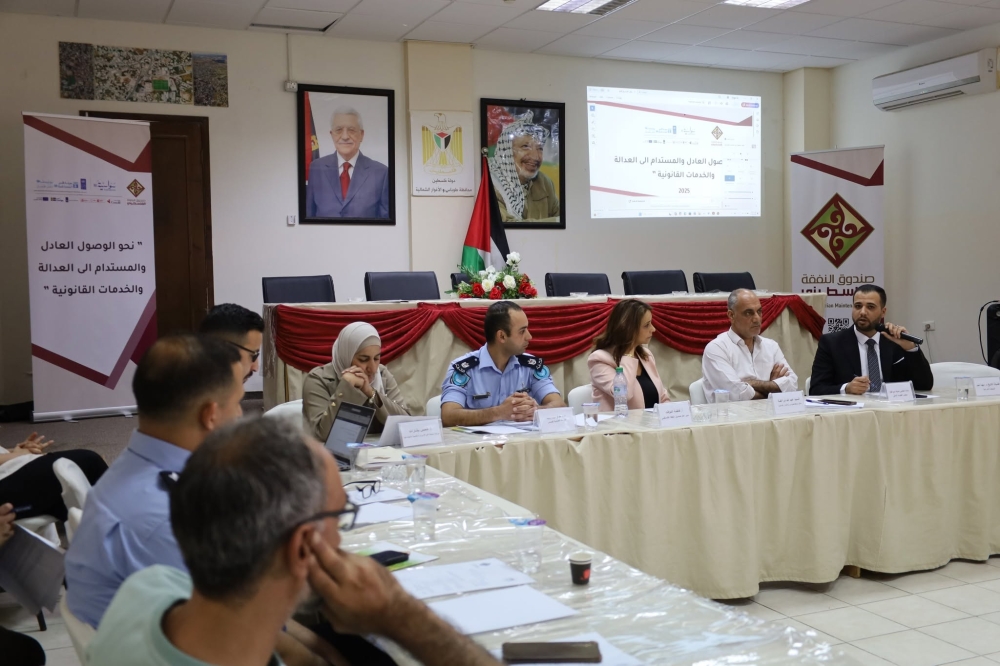
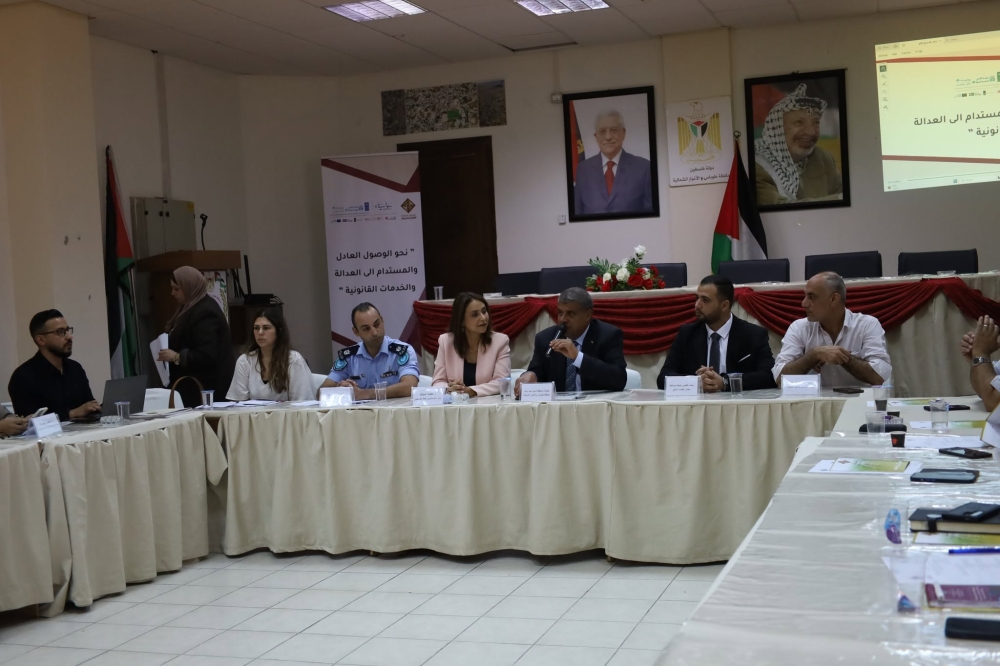
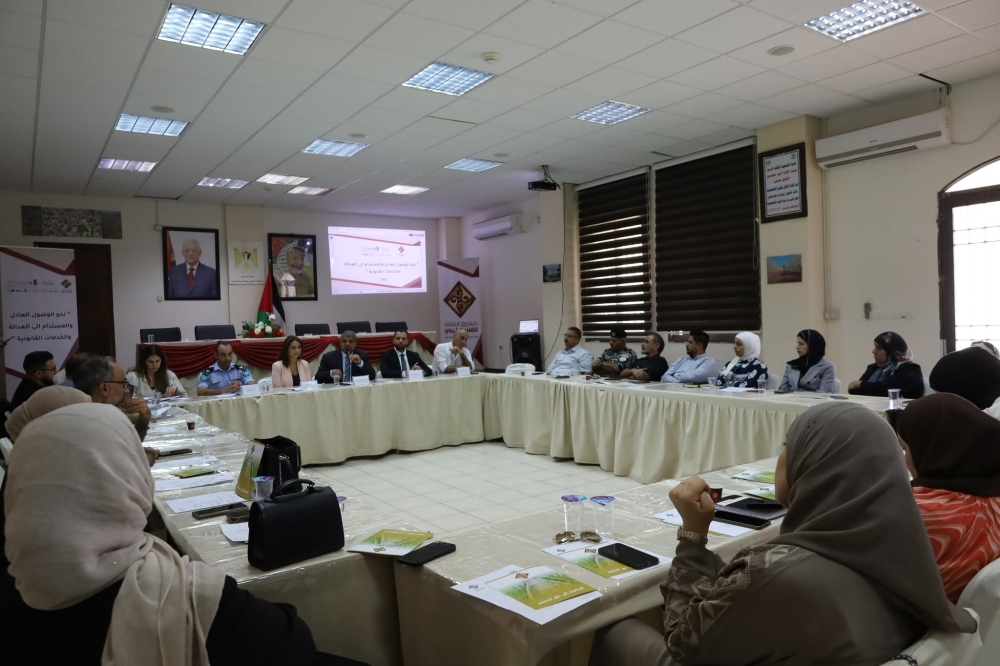
As part of its continued efforts to expand women's and eligible beneficiaries' access to justice and legal services, the Palestinian Maintenance Fund (PMF) held a multi-stakeholder workshop on Tuesday, 21 July 2026, at the Tubas and Northern Jordan Valley Governorate headquarters under the title: "Strengthening Cooperation between the Palestinian Maintenance Fund and Partner Institutions to Enhance Women's Access to Justice and Legal Services." The workshop was organized in partnership with the Sawasya III Programme through the United Nations Development Programme (UNDP).
The workshop was inaugurated by Mr. Ahmad Asaad, Governor of Tubas and the Northern Jordan Valley, in the presence of Mr. Abdullah Daraghmeh, Deputy Governor, Ms. Fatima Al-Moaqat, Director General of the Palestinian Maintenance Fund, and representatives from Tubas Municipality, the Ministry of National Economy, the Ministry of Interior, the Ministry of Social Development, the Ministry of Justice, the Ministry of Education, the Chamber of Commerce, Sabeel Association, the Judicial Police, the Family and Juvenile Protection Police, Military Intelligence, the Customs Police, the General Intelligence Service, the Preventive Security Service, the General Union of Palestinian Women, the Higher Council for Youth and Sports, the National Guidance Authority, the Tubas Charitable Society, Tammun Club, the Palestinian Science Foundation, as well as representatives of a wide range of partner institutions.
In his opening remarks, Governor Ahmad Asaad emphasized that protecting the rights of women and children and ensuring their access to justice is both a national and societal priority. He stressed the importance of coordinated action among governmental institutions and civil society organizations to support the most vulnerable groups and to provide a legal and social environment that enables citizens to obtain their rights without unnecessary delay or procedural barriers.
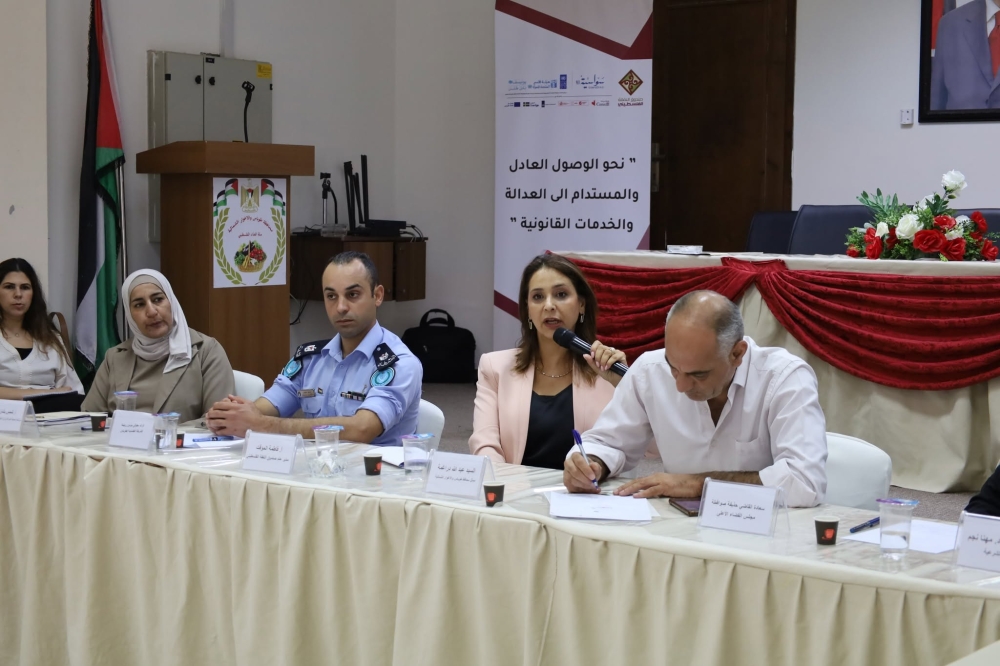
For her part, Ms. Fatima Al-Moaqat, Director General of PMF, stated that these workshops are an integral part of the Fund's strategy to broaden access to justice for maintenance beneficiaries and to raise awareness of the Fund's mandate, services, and programmes. She noted that these efforts contribute to empowering women, children, and older persons to claim their legal rights. She further emphasized that strong partnerships with public institutions and civil society organizations are fundamental to upholding the rule of law, strengthening accountability for those who evade maintenance obligations, protecting beneficiaries' rights, and improving the recovery of the Fund's resources, which constitute privileged public funds under Palestinian law.
During the workshop, PMF lawyers Ms. Zeina Khalafah and Ms. Asmaa Hanbali delivered a presentation on the Fund's mandate, services, eligibility criteria, and application procedures, in addition to the programmes it implements to strengthen access to justice and provide legal and social support to beneficiaries.
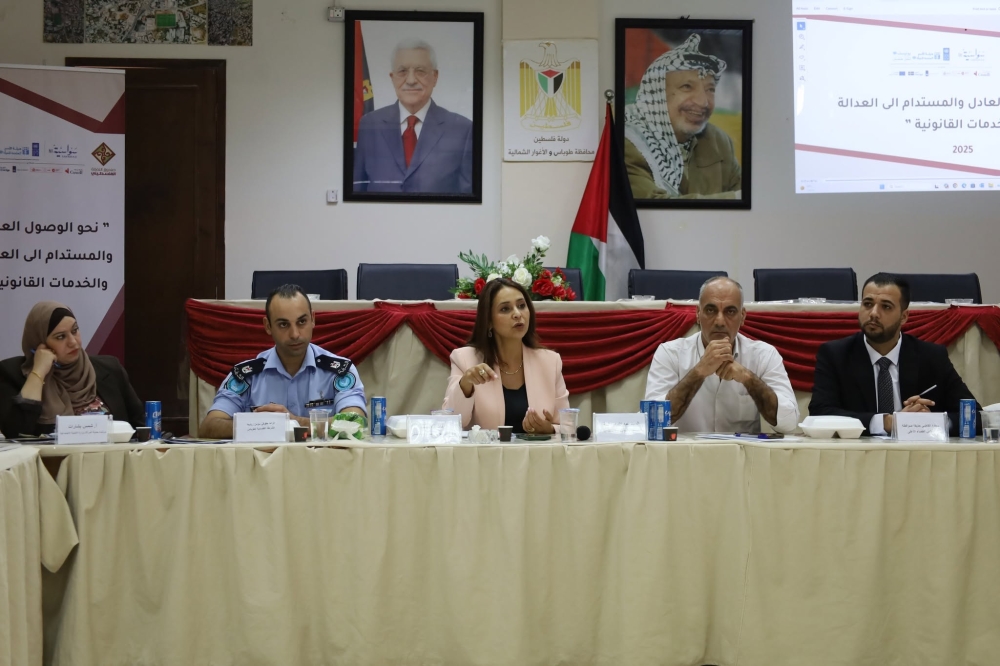
The workshop also featured technical presentations by representatives of the High Judicial Council, the Judicial Police, and the Ministry of Social Development, who examined the current state of maintenance judgment enforcement, mechanisms for cooperation among judicial, enforcement, and social protection institutions, and the principal challenges facing beneficiaries. The speakers also discussed opportunities to strengthen institutional coordination in order to accelerate the enforcement of maintenance judgments and improve access to justice and legal services for eligible beneficiaries.
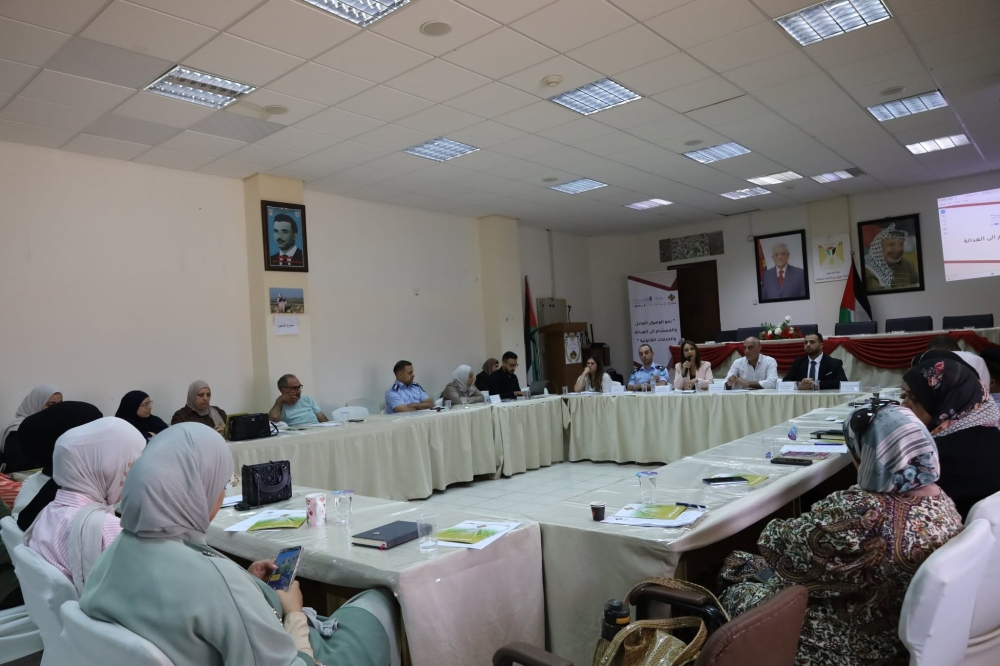
The workshop concluded with an interactive discussion during which participants reviewed the main practical challenges affecting the enforcement of maintenance judgments and exchanged recommendations for enhancing institutional cooperation and referral mechanisms. Participants emphasized that stronger coordination among partner institutions is essential to overcoming implementation barriers, reinforcing the rule of law, and ensuring that maintenance rights reach their rightful beneficiaries.
The event concluded with a shared commitment to sustaining collaborative efforts between governmental institutions and civil society organizations, strengthening institutional coordination in the implementation of their respective mandates, protecting the rights of eligible beneficiaries, supporting the effective enforcement of maintenance judgments, and improving the recovery of the Palestinian Maintenance Fund's privileged public funds, ultimately contributing to a more efficient, responsive, and accessible justice system.