
Palestinian Maintenance Fund Engages Palestinian Universities on Integrating Theory and Practice in the Teaching of Maintenance

Palestinian Maintenance Fund Engages Palestinian Universities on Integrating Theory and Practice in the Teaching of Maintenance
Ramallah – 6 November 2025
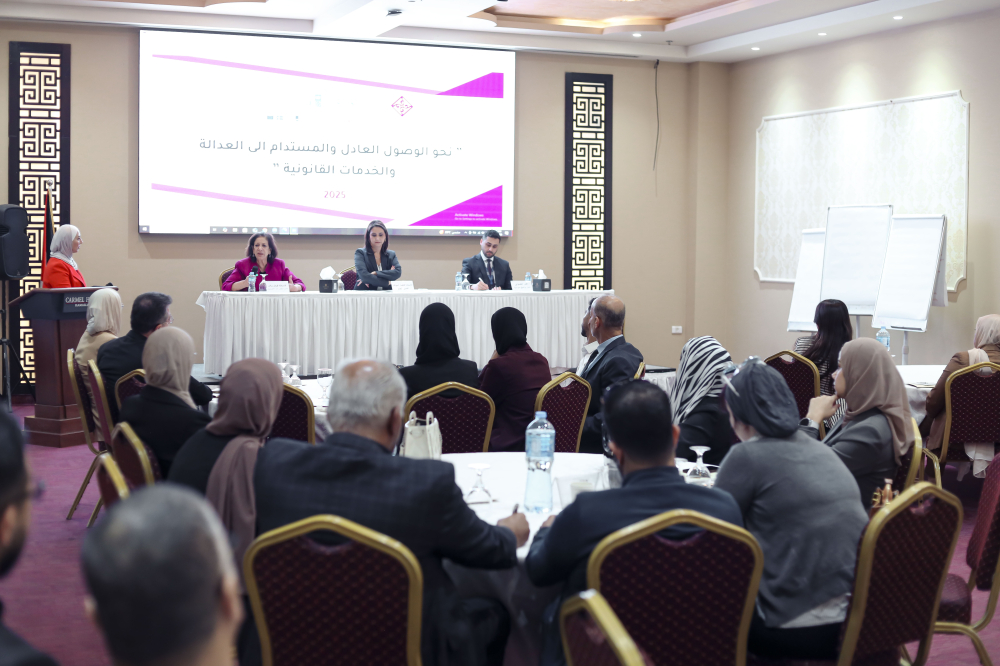
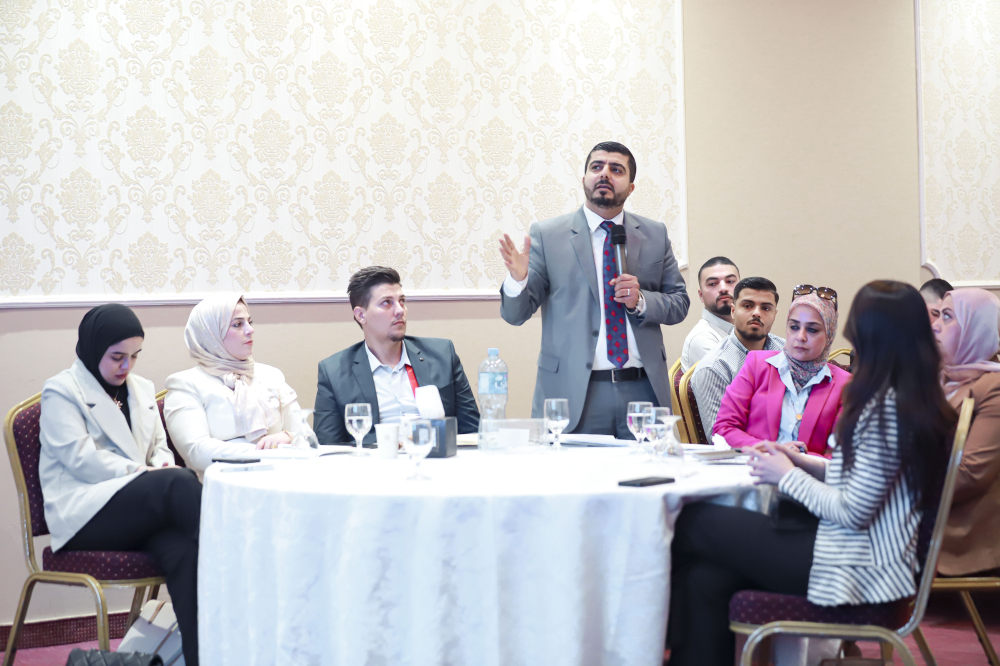
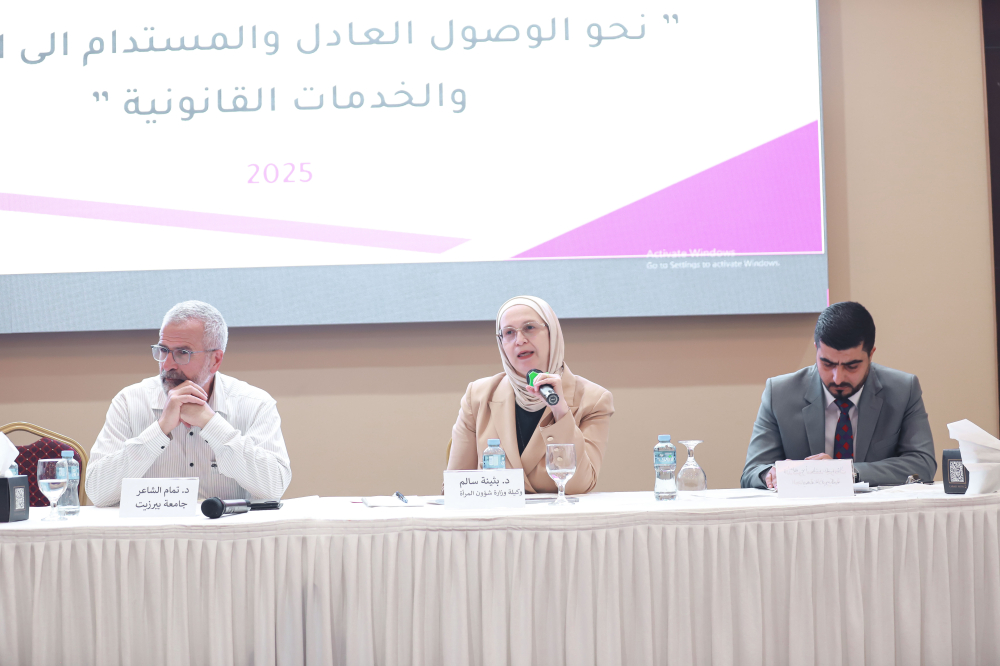
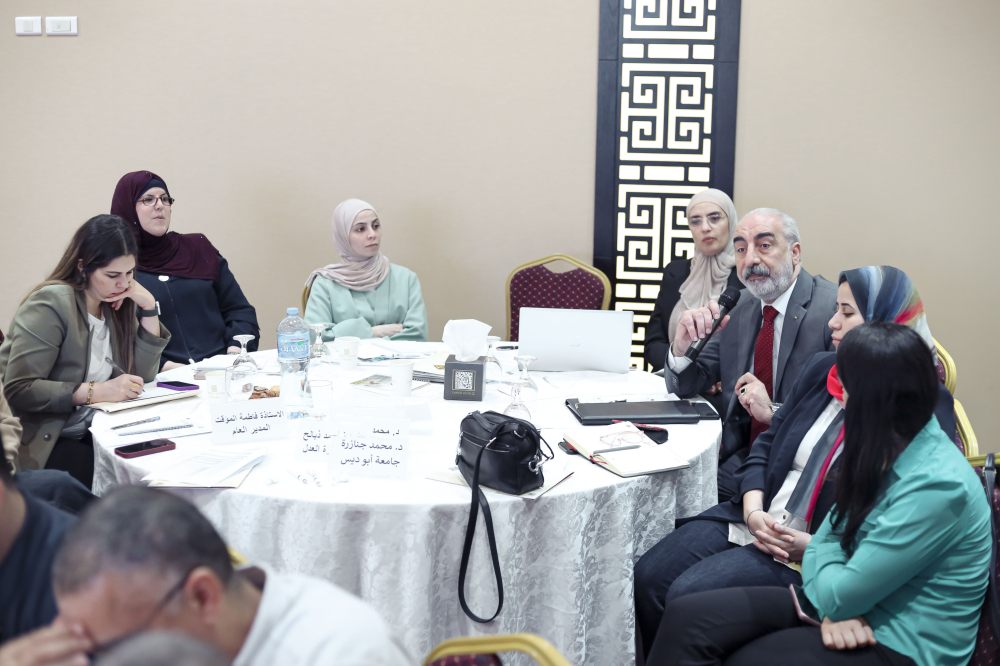
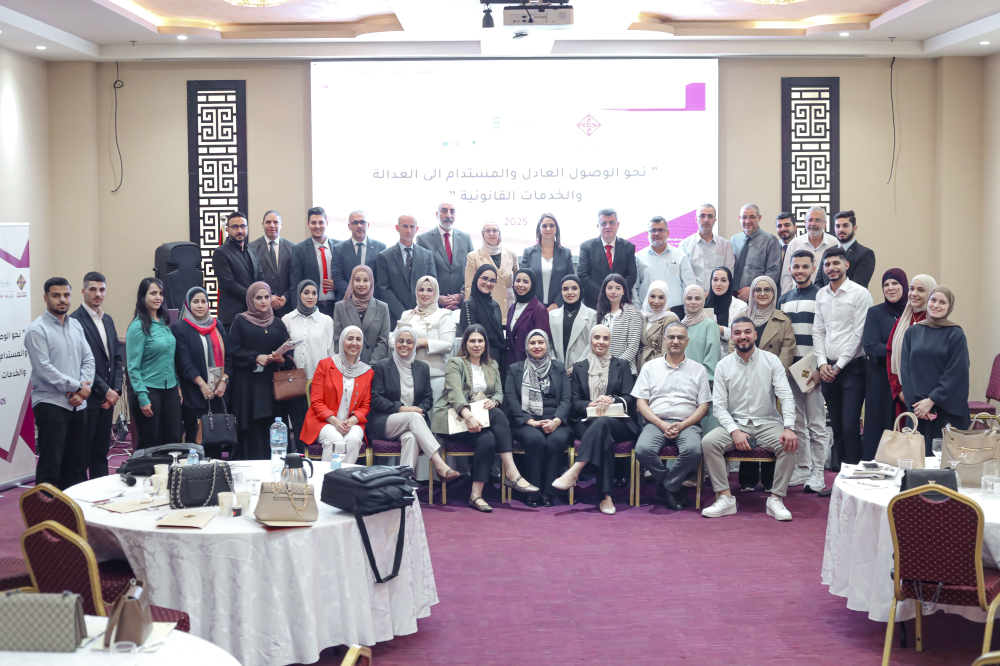
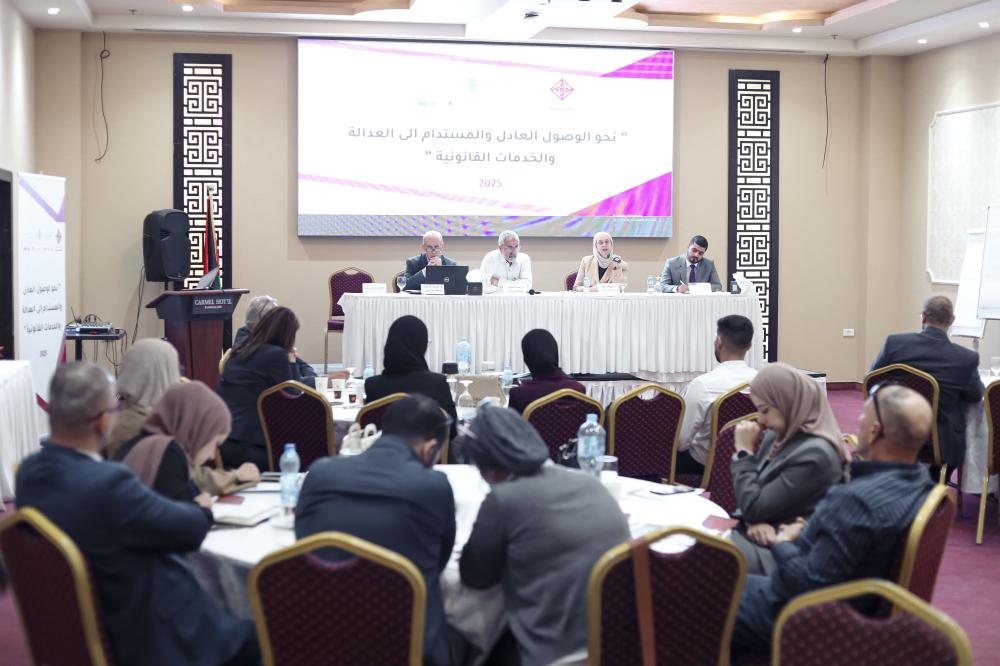
The Palestinian Maintenance Fund (PMF), in cooperation with Sawasya 3, funded by the United Nations Development Programme (UNDP), organized a workshop entitled “Maintenance in University Education: Bridging Theory and Practice”, aimed at exploring ways to strengthen the teaching of maintenance-related issues in higher education and bridge the gap between academic knowledge and practical application. The workshop sought to contribute to developing students’ and future professionals’ understanding of maintenance issues and their ability to address them in practice.
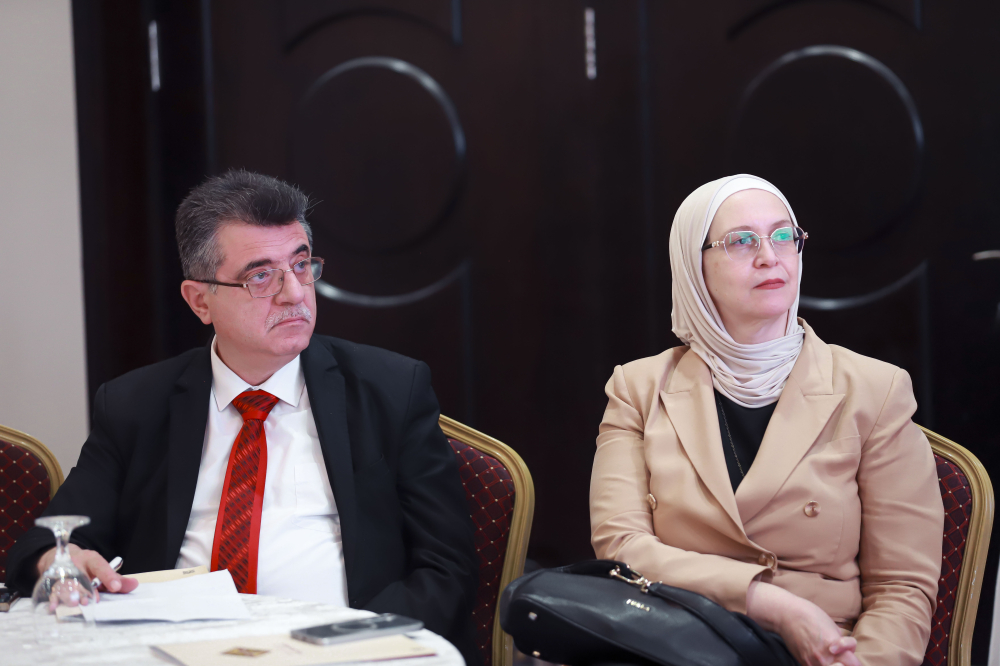
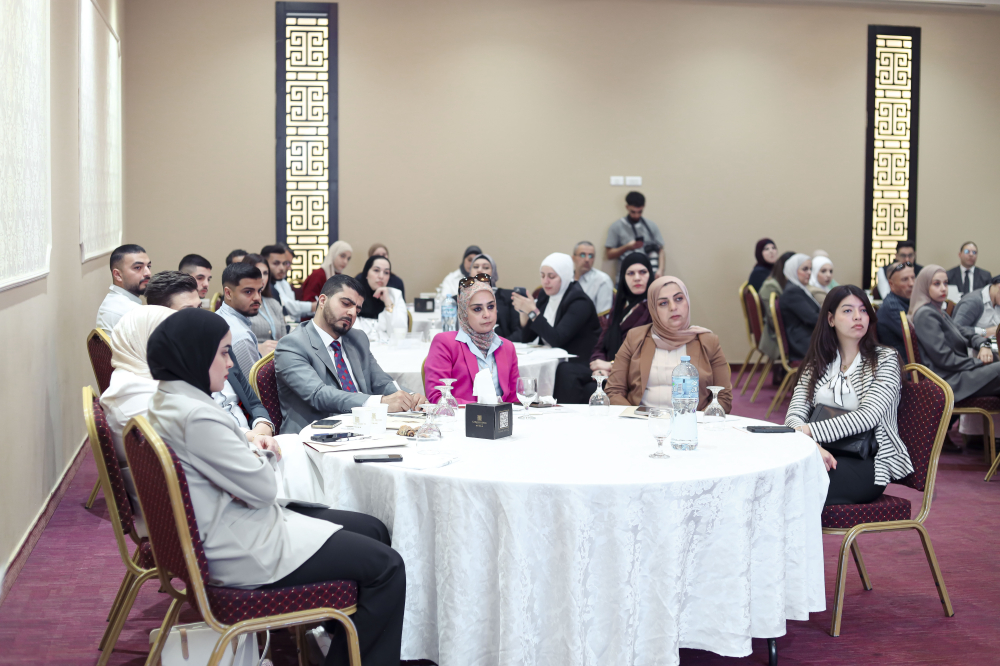
The workshop brought together academics and experts from faculties of law, Sharia, and social sciences at several Palestinian universities, alongside representatives of the Sharia judiciary, the Ministry of Higher Education and Scientific Research, the Ministry of Education, the Official Gazette Bureau, the Judicial Training Institute, the Ministry of Social Development, the General Union of Palestinian Women, and gender units from a number of governmental and academic institutions.
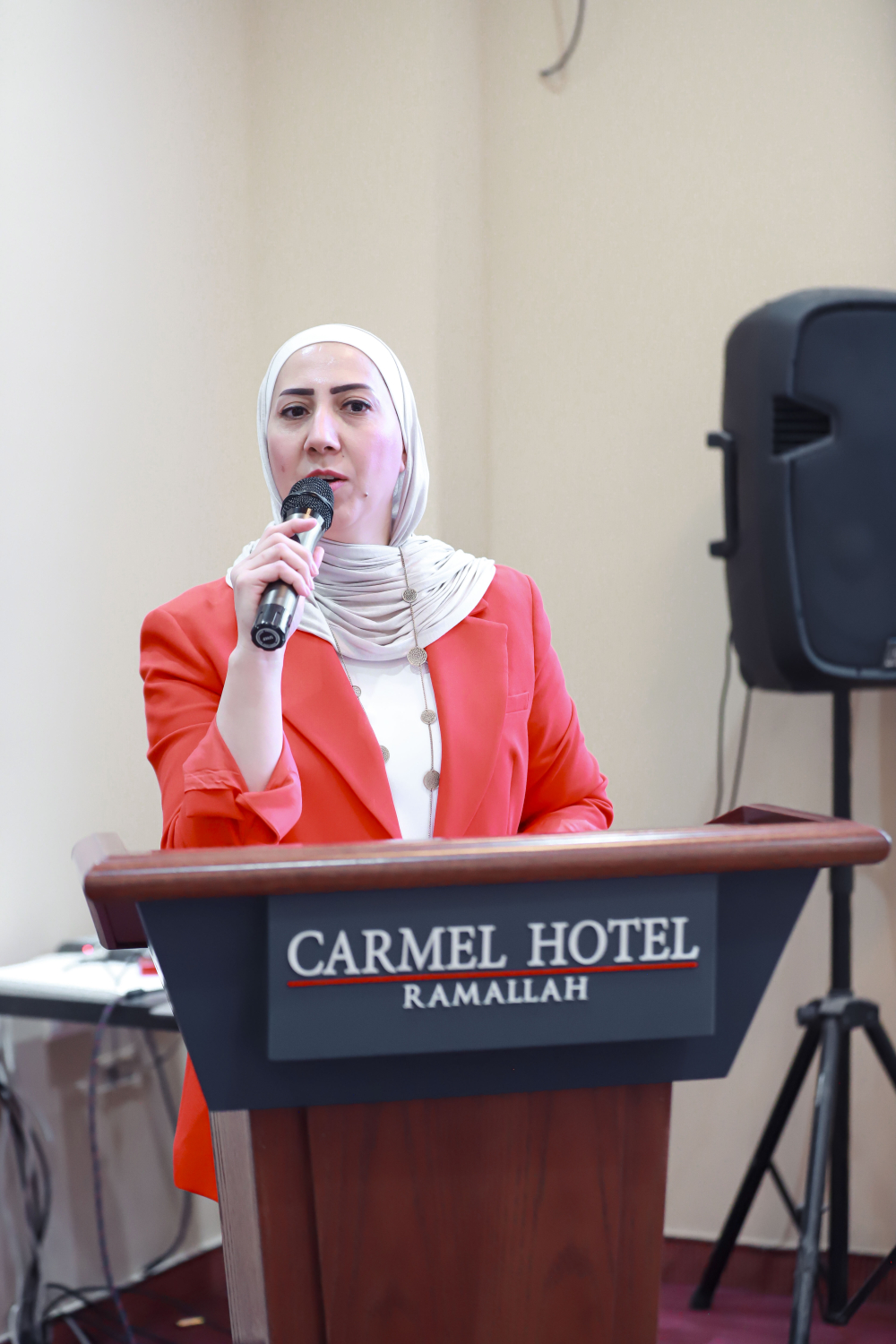
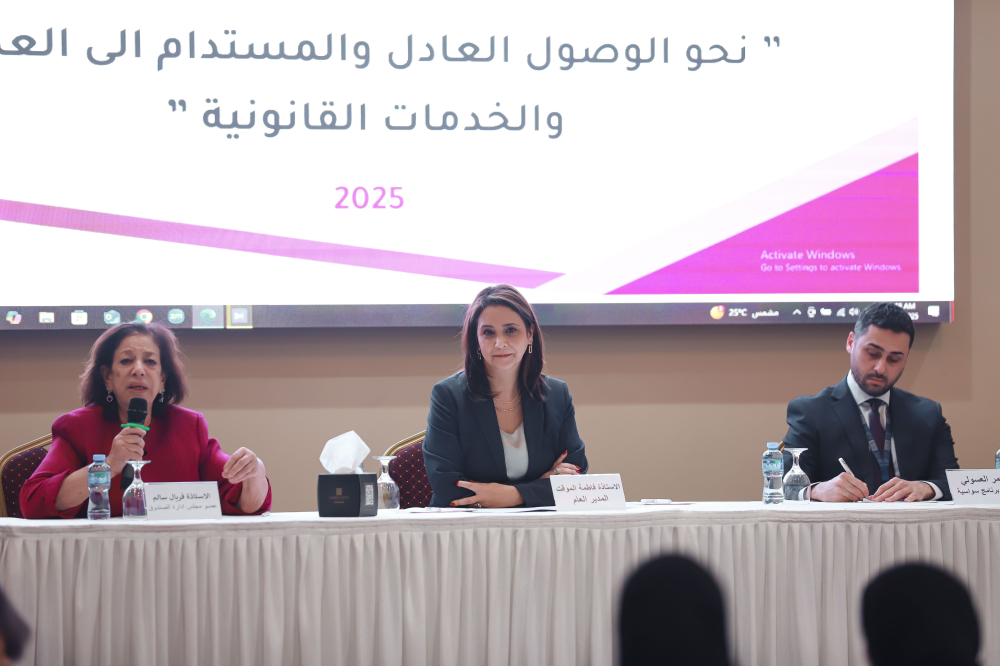
In her opening remarks, Ferial Salem, Member of the Board of Directors of the Palestinian Maintenance Fund, commended the Fund’s efforts to serve and empower its target groups, as well as the level of services it continues to provide despite limited resources. She highlighted the importance of strengthening partnerships that contribute to increasing awareness of rights and the services available to protect them.
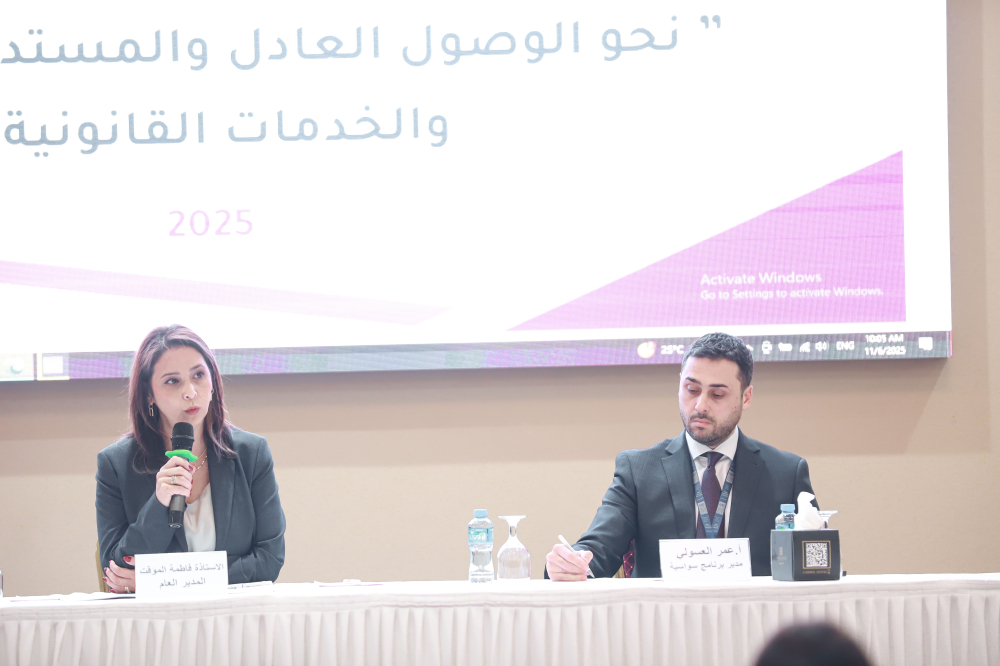
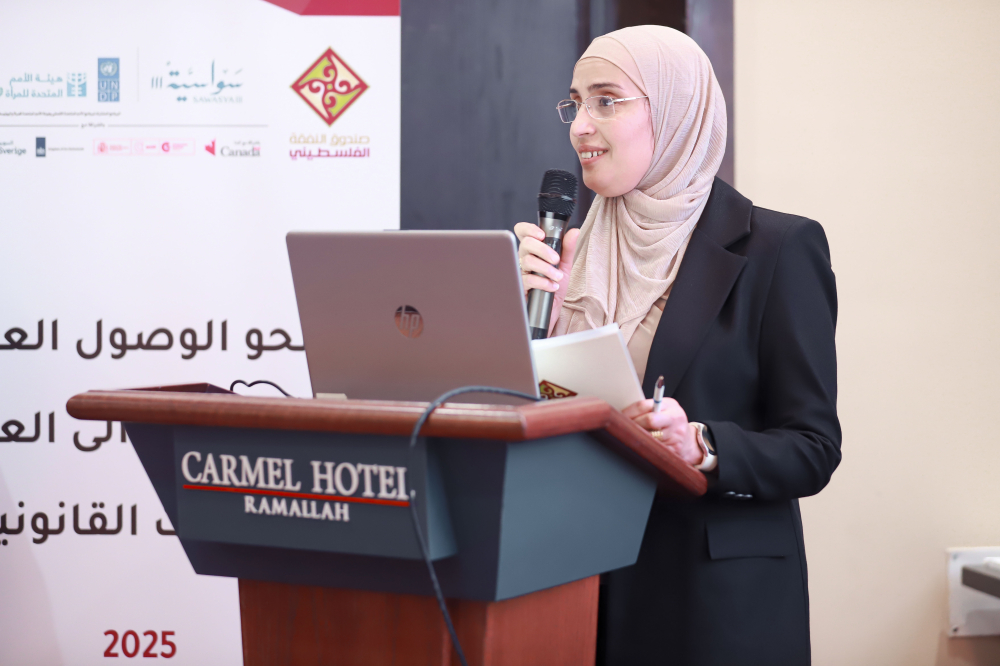
Attorney Fatima Al-Muaqqat, Director General of the Palestinian Maintenance Fund, emphasized that the workshop forms part of the Fund’s efforts to strengthen legal and social awareness of maintenance-related issues and expand cooperation with higher education institutions. She stressed the importance of strengthening the presence of maintenance-related issues within university curricula, moving beyond theoretical instruction toward practical legal knowledge that enables students and researchers to better understand maintenance cases and respond to the needs of those who rely on related protection and services.
For his part, Omar Al-Asouli, Representative of the United Nations Joint Programme “Sawasya 3,” highlighted the important role played by the Palestinian Maintenance Fund in protecting the rights of the most vulnerable groups and in strengthening its institutional role as an important component of the Palestinian justice system. He emphasized the value of coordination between the Fund, governmental institutions—particularly justice-sector institutions—and civil society and rights-based organizations.
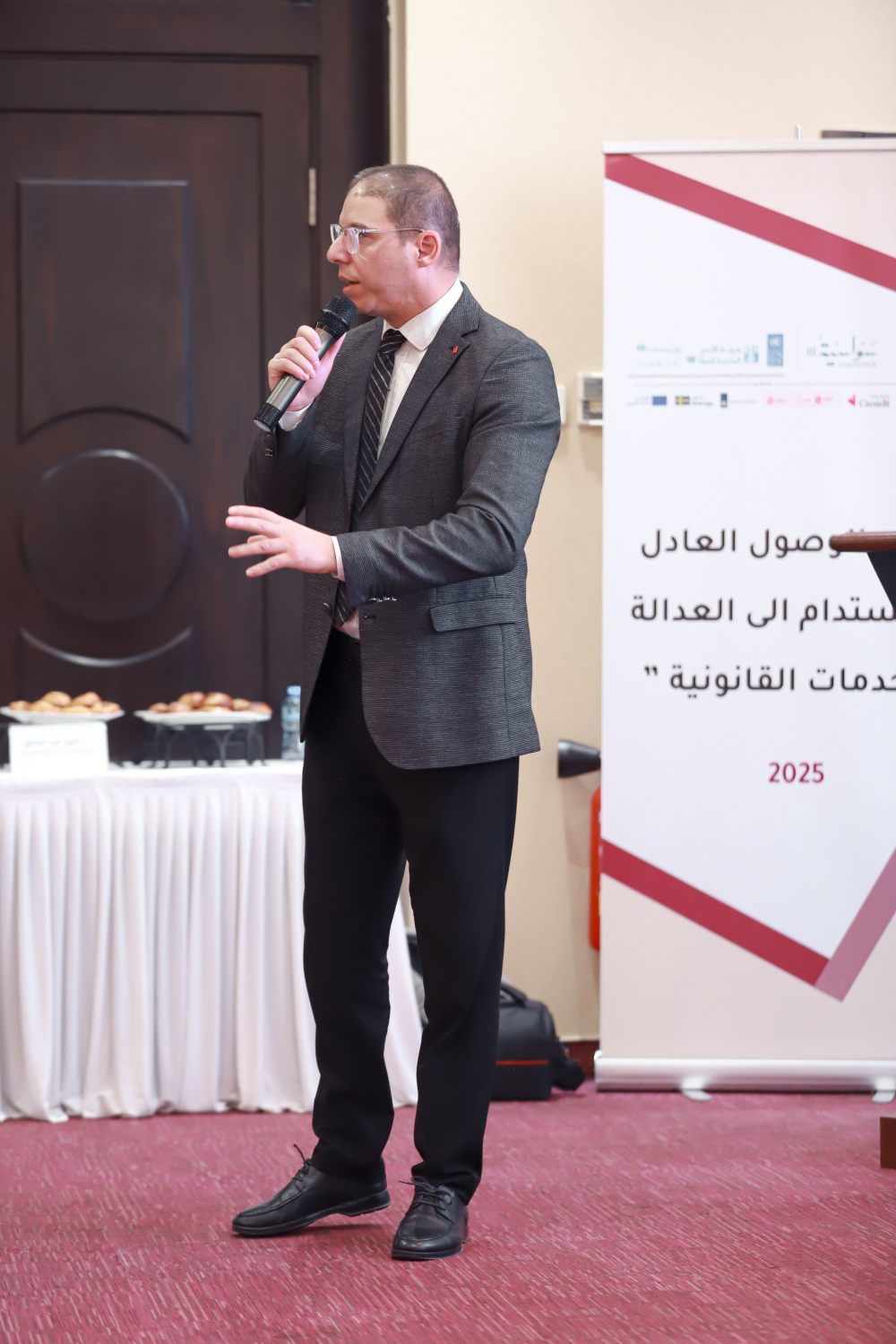
Al-Asouli further noted that cooperation with faculties of law, Sharia, and social sciences provides an important bridge between academic theory and practical realities. Such cooperation, he said, contributes to preparing professionals who are better equipped to understand the needs of vulnerable and marginalized groups and address their issues through an integrated legal and social approach.
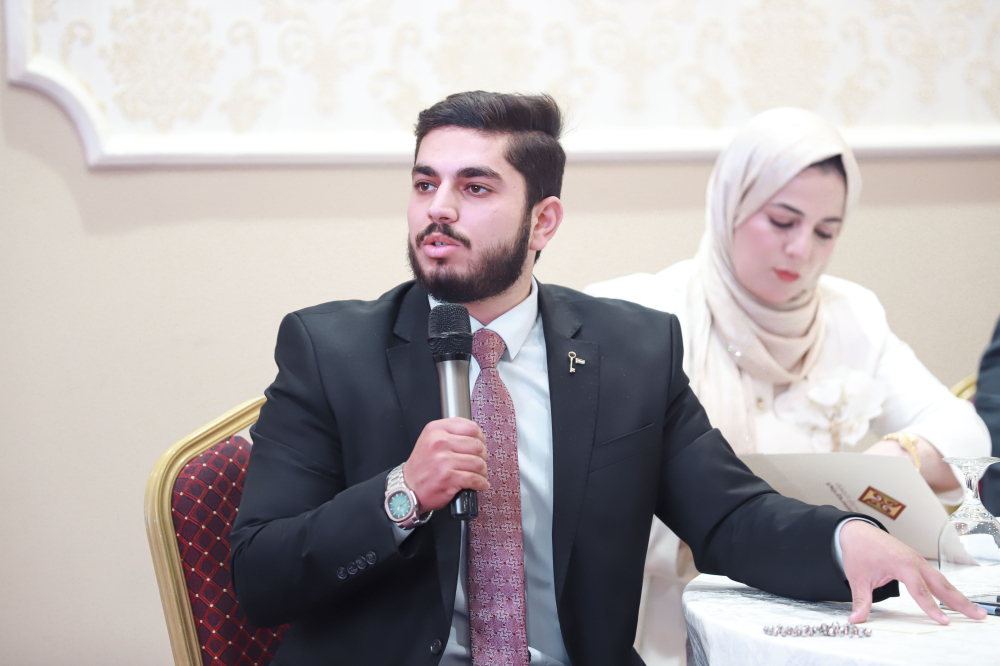
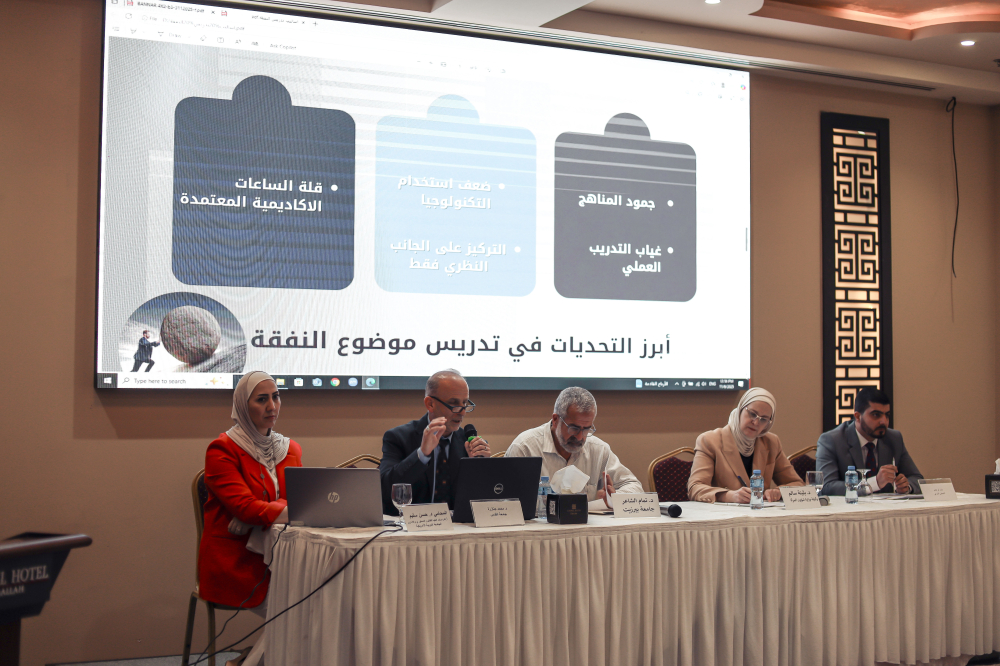
The workshop sessions examined the current teaching of maintenance-related issues within university curricula, including their coverage in personal status law courses at faculties of law and Sharia. Discussions also addressed existing teaching approaches, while academic experiences from several Palestinian universities were presented, with a focus on strengthening practical and applied components alongside theoretical instruction.
Participants concluded the workshop with a set of recommendations, including reviewing and developing the curricula and course descriptions of personal status law courses and increasing the academic hours allocated to them, allowing greater attention to maintenance-related issues. They also called for strengthening the practical component of teaching alongside the theoretical framework, enabling students to better understand the realities, procedures, and professional contexts related to maintenance cases.
The participants further recommended strengthening cooperation between the Palestinian Maintenance Fund and Palestinian universities to develop a specialized training package on maintenance, covering its legal, social, and procedural dimensions in an integrated manner. They also recommended incorporating maintenance-related topics into postgraduate programs and considering their inclusion within university degree requirements, thereby broadening students’ and researchers’ knowledge of maintenance across relevant academic disciplines.
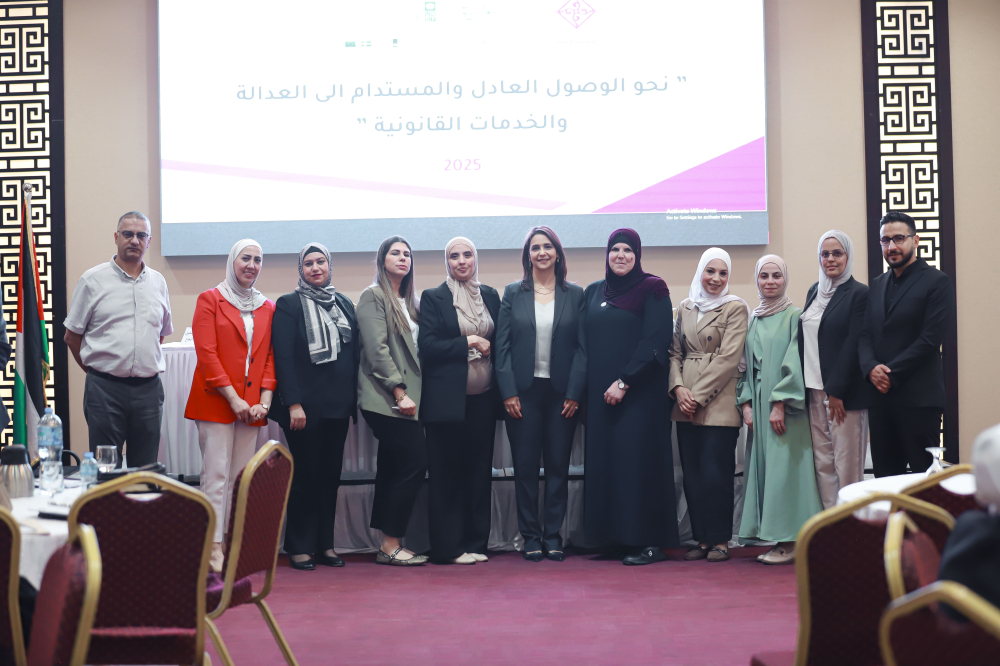
At the conclusion of the workshop, participants emphasized that strengthening partnerships between justice-sector institutions and higher education institutions provides an important opportunity to connect academic knowledge with the practical needs of Palestinian society and enhance the preparedness of legal and social professionals to address maintenance-related issues. Such collaboration contributes to strengthening the social justice system, advancing the protection of rights and equality, and supporting the most vulnerable groups.